
Intro. Translation of the Umwelt.
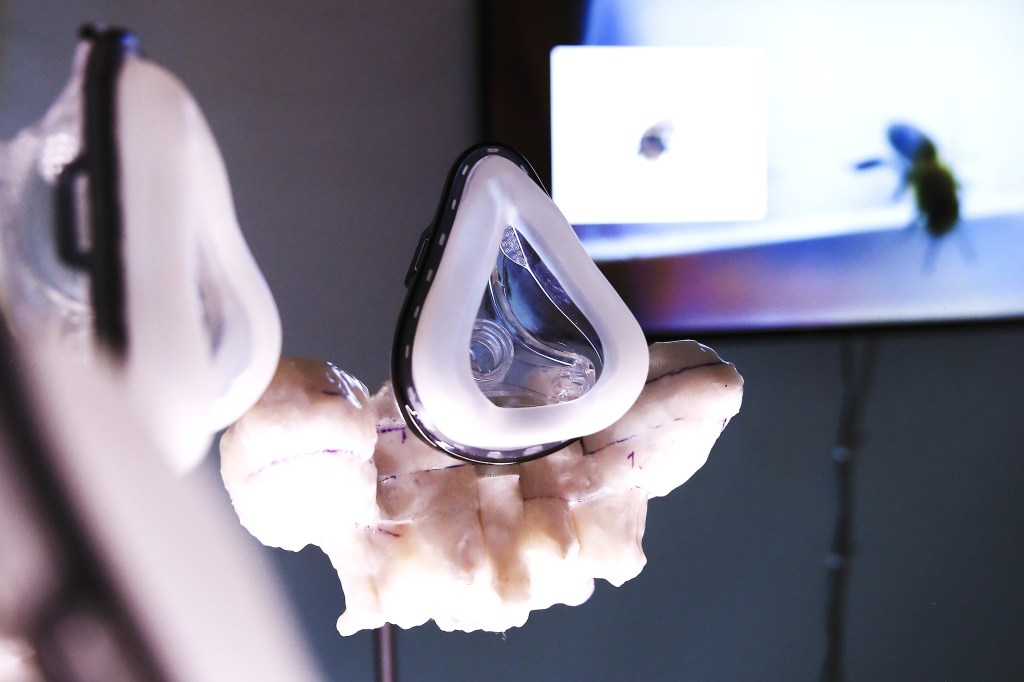
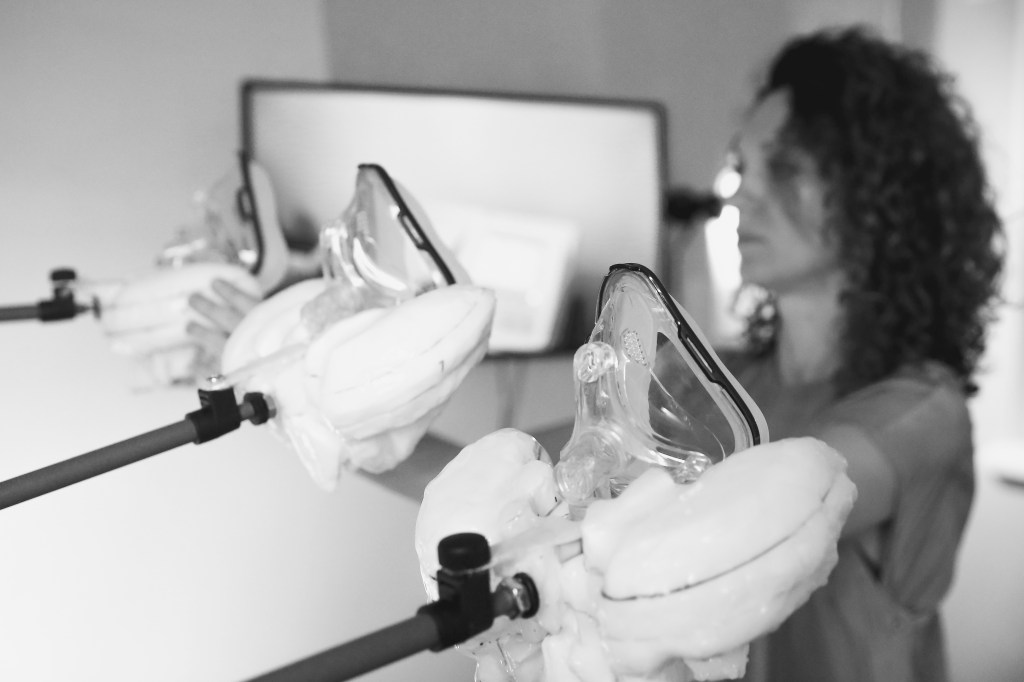
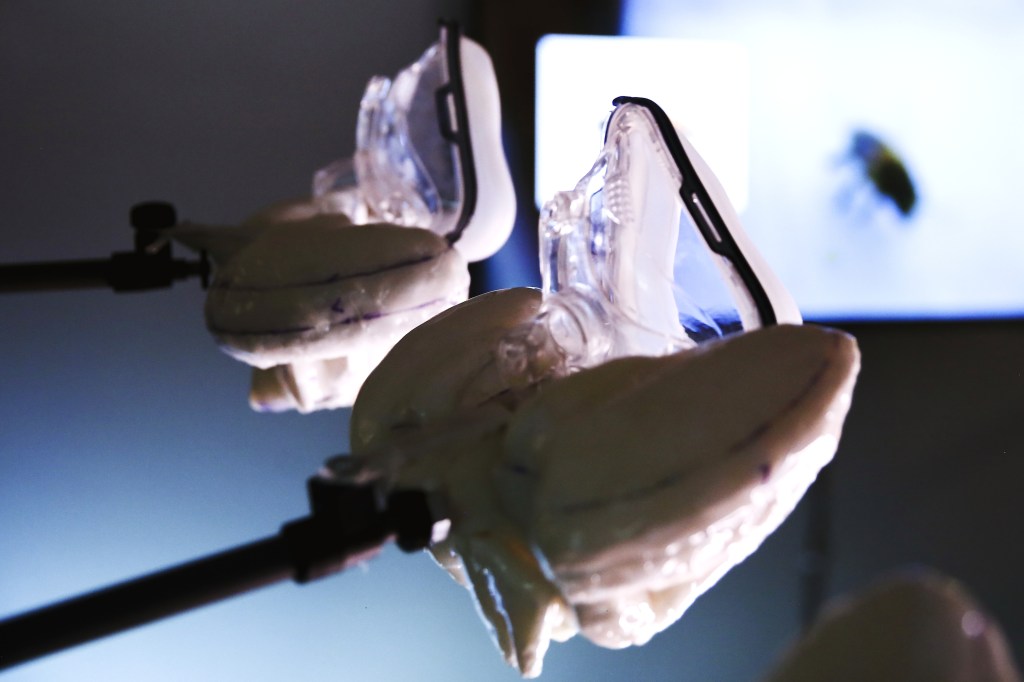
To Bee is a project of an interspecies communicator between humans and bees. The communicator is based on pheromones, olfactory stimuli causing unconditional reflexes and perceived through a vomeronazal organ by humans and sensillas on the antennae of the bees.
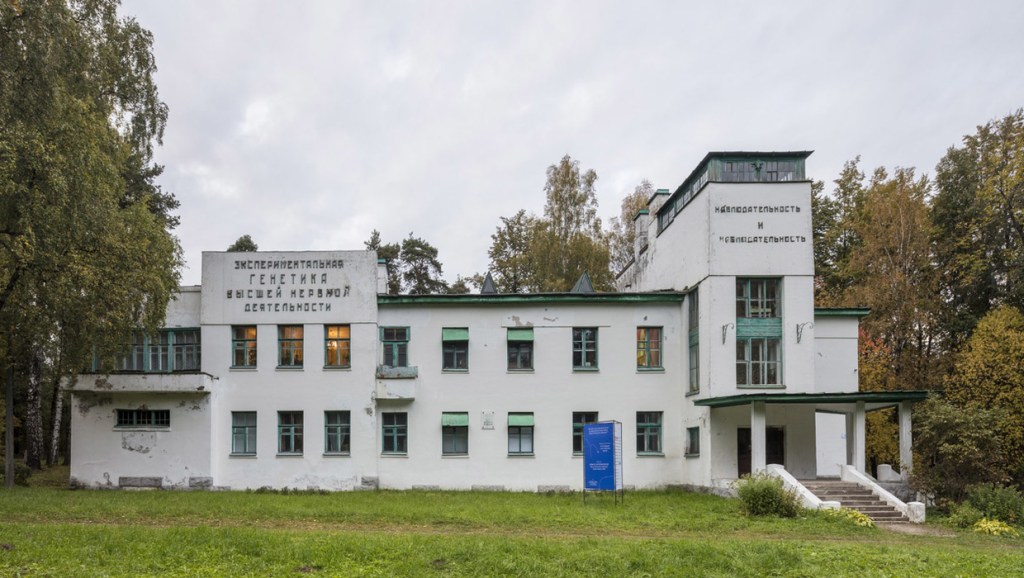
New Anthropology is a project realized on the premises of the Pavlov Museum, based at the Pavlov Institute of Russian Academy of Sciences in Koltushi, Leningrad region. Ivan Pavlov, a Nobel laureate in Physiology or Medicine, is the most influential Russian physiologist and still one of the most cited scientists. He is primarily known for his work in classical conditioning.
Institute of Physiology was founded by Ivan Pavlov in 1926 in Koltushy, a village located near St Petersburg. The main purpose of the Institute initially was “observation of animals in natural environment”, study of inheritance conditional reflexes and getting digestive juice for medicine.
Pavlov Institute campus projected by architect Ivan Bezpalov consisted of vivarium, laboratories and cottages for the institute staff. The first building was the Laboratory of Experimental Genetics of Higher Nervous Activity, the Building of Old Laboratory. Pavlov lived on the second floor and worked on the fist floor. Nowdays Pavlov Museum is located in this building. Historical part of the museum is situated on the second floor, and New Anthropology exhibit on the first. To Be is situated on the first floor at the study of Pavlov.
Exhibition comprises six rooms and artists including Dmitry Morozov, Borish Shershenkov, Anastasia Alekhina, Vladlena Gromova and Artem Paramonov, Anna also older generation artists Vitaly Pushnitsky, Marina Alekseeva. Each artist’s work was either done in collaboration with one of the scientists or was inspired by the research done in one of the laboratories of the Pavlov Institute.
Project history
The project started in December 2019 when we met with Tatiana Zachepilo and continued paradoxically at Andaman Islands in India where Helena Nikonole joined in. Tatiana Zachepilo’s talk at the presentation of the New Anthropology was focused on the forms of communication within the bee societies and included the waggling dance and the vision of the bees.
Together with Laboratory of Higher Nervous System in Pavlov Institute, where Tatiana Zachepilo works, we couldn’t think of an artistic way of using this communicative form. The question we were trying to answer was how we can possibly create an inter species communicator. First version was reading a vibration of humming of the hive and responding to it. However what became clear to me is that there is no message we can send to the bees that they would care to interpret and there is no message they can possibly send to us complex and interesting enough to decipher. They would usually communicate outside agitation or aggression, none of which seems an interesting enough message. It soon became clear that the most interesting message can be the message about the different referent of the same sign for a different species.
By this I mean that the most interesting message is the state of being something outside of what you are, an experience of another entity, an experience of sensory perception as if you were this other entity. Translation of an Umwelt.
Dissimilation of the sign
What do you feel when you inhale hexyl acetate? It is a component of the smell of pear and apple. Human associations can be individual, it can include the autumn garden, market or a meal of pear with cheese. Unlike in humans this smell for the bees causes an unconditional reflex – alarm. We call smells that cause unconditional reflex pheromones. Hexyl acetate is a component of the pheromone of alarm.
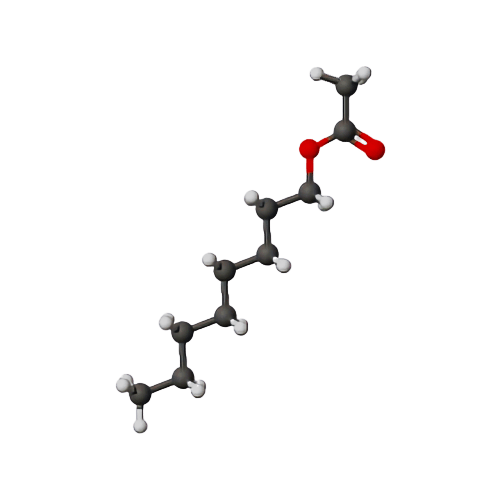
The nature of the sign has undergone a certain evolution. Bees and humans can have the similar environment but due to different sensory perception systems they exist in different umwelts. Umwelt is defined by physicality of sensory perception apparatus, different part of reality semiotically exists for bees and humans. In order to create a communicator a similitude in sensory perception signs needs to be established. In the case of “To Bee” the mutual umwelt is the smell.
How smells work in human culture and communication
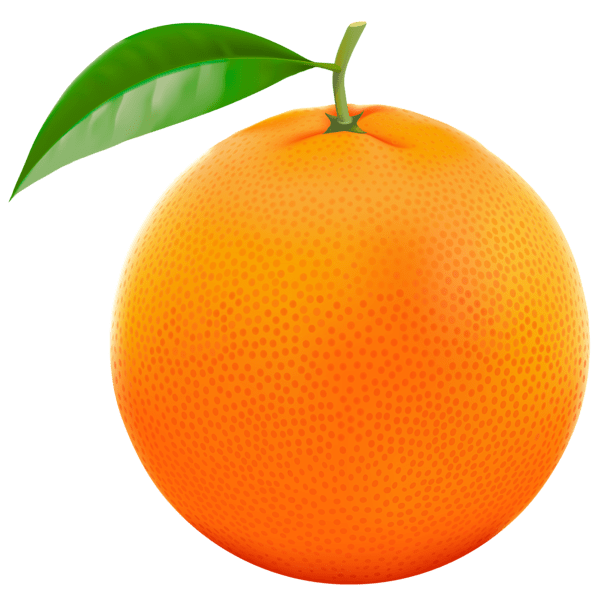
Olfactory aspect of human culture is certainly less researched than visual and auditory. The nature of inhaling the smell is in taking inside our lungs the property of the objects we inhale. And yet olfactory dissociates. Sociology of scent has to do with pleasure or displeasure, and the smell is more often unpleasant than not. Unpleasant smell marks danger: not edible or contagious. The sense of smell is the oldest sensory system, it appeared in evolution earlier than the others,therefore the reaction to smells is the deepest – neuronal connections are formed most strongly.For example, pleasant smells for humans evoke pleasant emotions. But the perception and interpretation of the same smells in different animals is not the same. For example, a pleasant smell of an orange for a person can have the opposite meaning for a cat or a honeybee.
Homology of human-bee brain chemistry
The size of the brain of animals and the number of neurons in it are closely related to the size of their body. So, the human brain weighs between 1.25-1.45 kg and contains about 84 billion neurons, the honeybee’s brain weighs 1 mg and contains about 1 million neurons. Now it is believed that the key role in the level of intelligence is not played by the absolute or relative size of the brain, but by the quality of the connections between its cells.
The experiment
After having analyzed existing research in the field we chose pheromones for further work. There have been conducted five experiments: we used farnesol, geraniol, melissa, hexyl acetate and octyl acetate. Melissa even though not a pheromone was used to calm down the bees. The banana smell as well as hexyl acetate (alarm pheromone component) were stimulating motor activity. The speed of runs was accelerating, some bees started flying. We should note that being affected by the banana smell one of the bees started the waggle dance which was supposed to induce others into an action. Melissa smell had a calming effect and caused a decrease in motor activity. Farnesol, (a queen bee pheromone component) made bees fly and swarm. Geraniol didn’t alter the bee behavior significantly. Thus, obviously, not all the known pheromones are universal for the bees.
Observation of exhibition visitors revealed the pear smell stimulating and mobilizing effect on people. Farnesol was distinguished and perceived by women only (in most of the cases). And octyl acetate as well as orange smell light invigorating effect on visitors. So we could transfer emotional messages equally to honeybees and people, and honey bee alarm pheromones were also stimulating people to some extent.

Conclusion
The innovation of to Bee for us as people working on it was the fact that is communicated is the channel of possible communication, or rather the number of possible reasons for this communication to fail. The number of dissimilar signs: a pear smell that doesn’t designate a pear, but alarm, an orange smell that doesn’t designate an orange, but alarm, a Lilly of the valley smell that doesn’t designate the Lilly of the valley, but the queen bee location in space.
To be creates the basis for the common semiosphere of human and bee umwelts.
We, artists, together with scientists, create scenarios of interspecies communication that go beyond the boundaries of the anthropocentric paradigm.
See the presentation for more details and visuals
 nataliafedorova.com
Leave a comment